The Language of Oud
How the world's most precious wood speaks to the soul
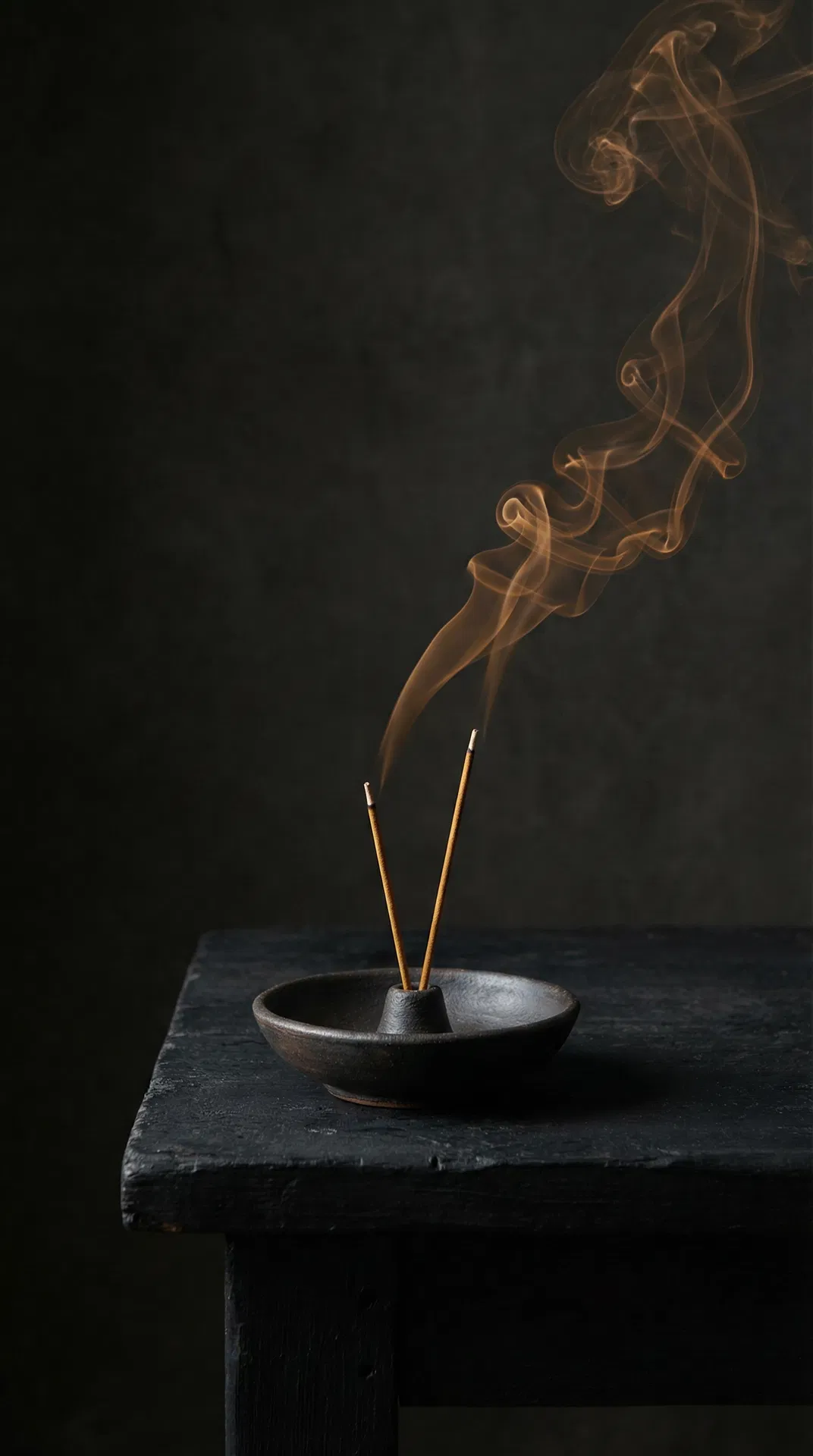
In the dimly lit souks of the Arabian Peninsula, where sunlight filters through latticed screens and the air hangs heavy with mystery, there exists a substance so precious that it has been traded for millennia alongside gold and silk. Oud, derived from the resinous heartwood of the Aquilaria tree, is not merely a fragrance — it is a language spoken by civilizations across centuries.
The story of oud begins with an act of nature that borders on the miraculous. When the Aquilaria tree is infected by a particular mold, it produces a dark, aromatic resin as a defense mechanism. This transformation, from ordinary wood to one of the most sought-after materials on earth, mirrors the alchemical traditions that have long fascinated perfumers and philosophers alike.
In Japanese culture, the appreciation of oud — known as jinko or agarwood — has been elevated to an art form called kōdō, literally "the way of fragrance." Practitioners gather in intimate ceremonies, passing small pieces of heated wood and contemplating the subtle shifts in aroma with the same reverence that tea ceremony devotees bring to their practice.
The modern perfume industry has embraced oud with an almost feverish intensity. From the ateliers of Paris to the laboratories of New York, perfumers are exploring new ways to incorporate this ancient material into contemporary compositions. Yet the finest oud remains stubbornly resistant to synthesis — its complexity, with over 150 identified chemical compounds, continues to humble even the most advanced analytical techniques.
What makes oud truly remarkable is its ability to evolve on the skin. A single application can reveal dozens of facets over the course of hours: sweet and honeyed at first, then woody and smoky, finally settling into something deeply animalic and meditative. It is, in every sense, a fragrance that tells a story.