Incense and the Meditative Mind
Ancient traditions of scent as a gateway to transcendence
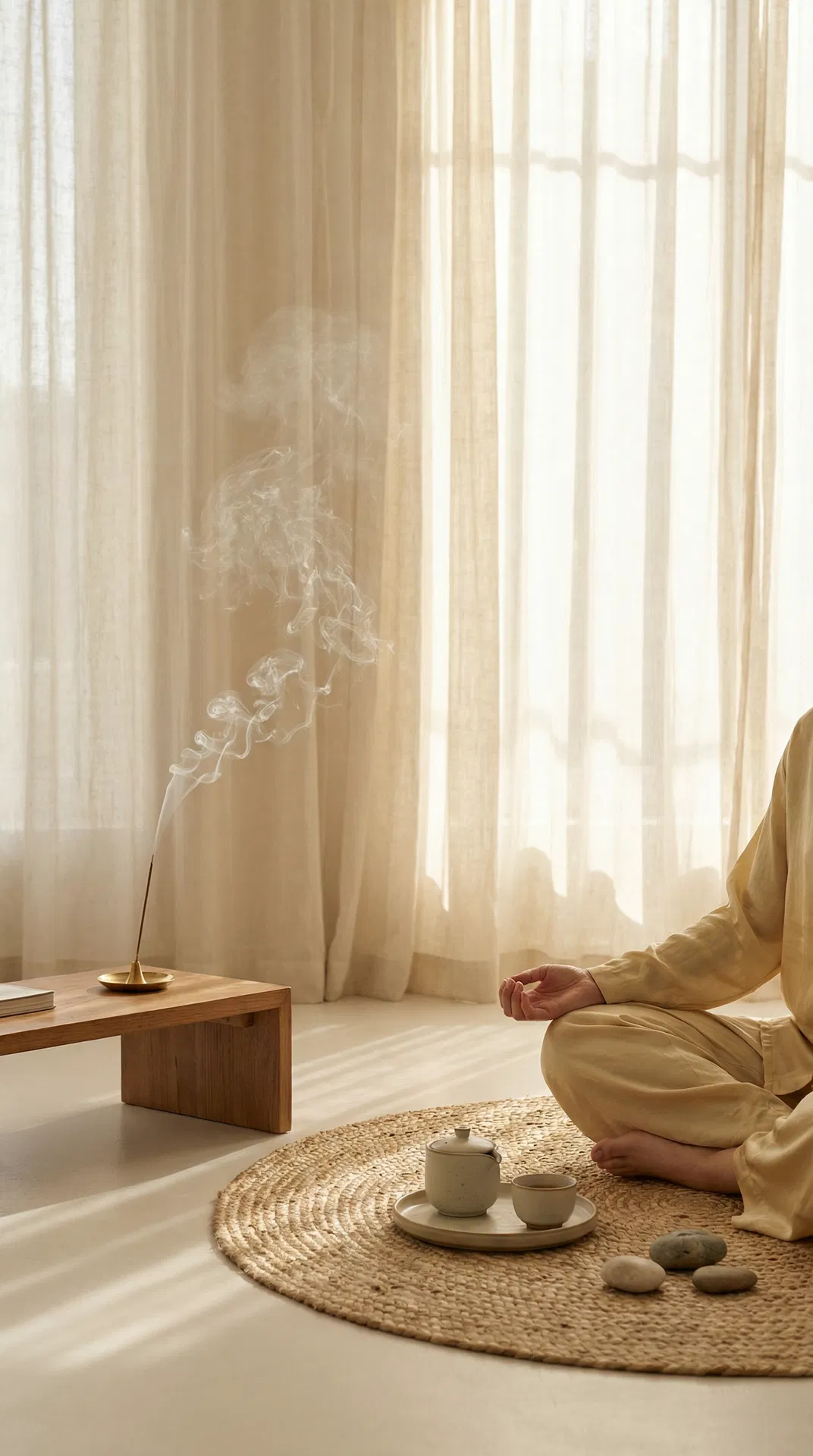
Long before the first perfume bottle was crafted, long before the distillation of essential oils became a science, human beings discovered that burning certain resins and woods could alter consciousness. From the frankincense of Egyptian temples to the sandalwood of Hindu ashrams, incense has served as humanity's oldest technology for bridging the material and the spiritual.
The practice of burning incense during meditation is not merely atmospheric — it is functional. Research published in the Federation of American Societies for Experimental Biology journal found that incensole acetate, a compound found in frankincense resin, activates ion channels in the brain associated with warmth and reduced anxiety. The ancients, it seems, were practicing a form of aromatherapy millennia before the term was coined.
In Zen Buddhist monasteries across Japan, the burning of incense marks the passage of meditation periods. A single stick of high-quality agarwood incense burns for approximately forty-five minutes — the traditional length of a zazen sitting. The gradual transformation of solid matter into fragrant smoke serves as a perfect metaphor for the meditative process itself: the dissolution of the fixed self into something more expansive and ephemeral.
The Tibetan tradition takes a different approach, using complex blends of herbs, woods, and minerals ground into paste and formed into cones or coils. Each monastery guards its own recipes, passed down through generations of practitioners who understand that the right combination of scents can facilitate specific states of consciousness.
Today, as mindfulness practices gain mainstream acceptance, there is a renewed interest in the role of scent in contemplative practice. Modern meditators are discovering what monks and mystics have known for millennia: that the nose may be the most direct path to the quiet mind.